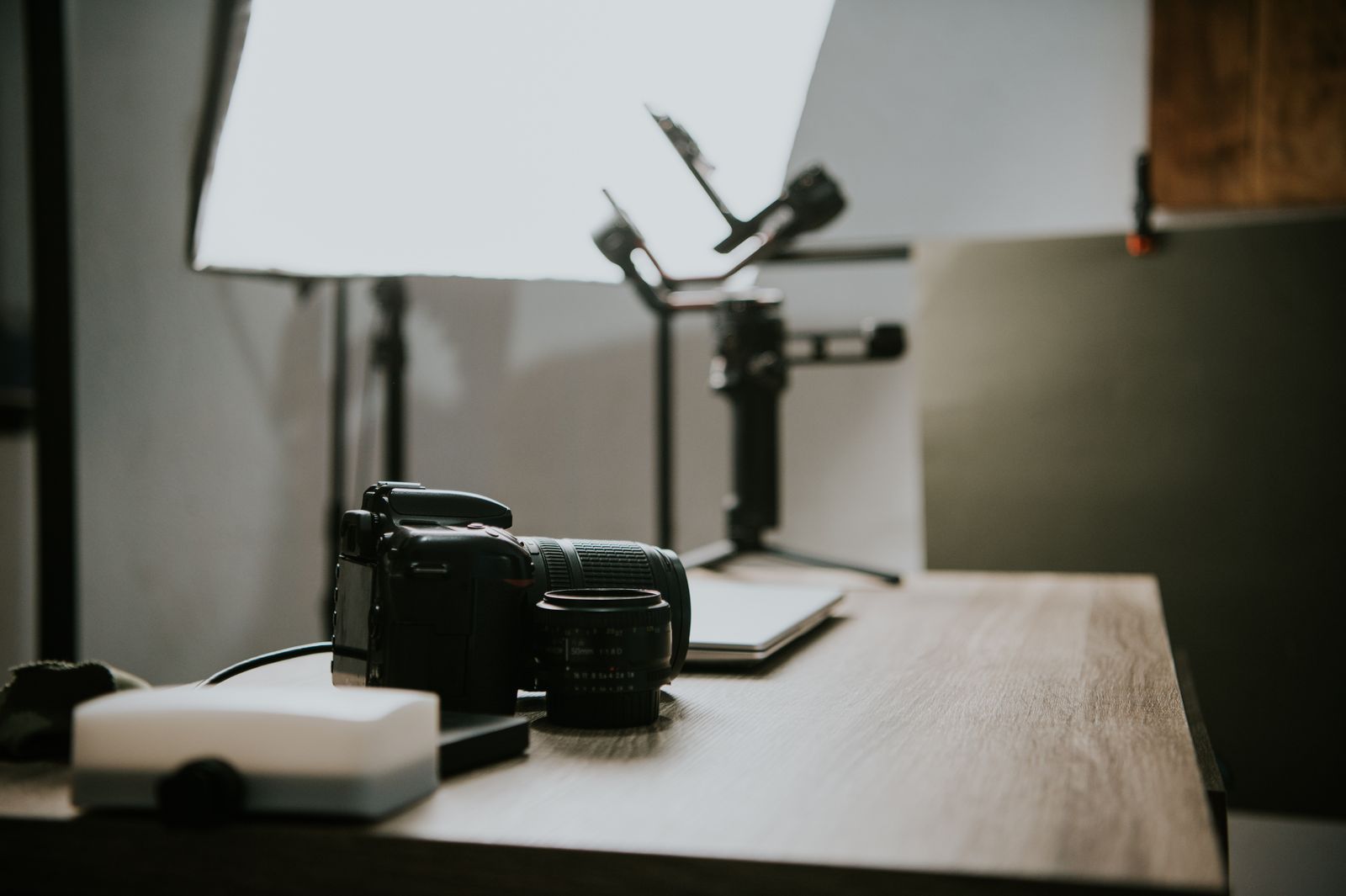
A digital photo booth is a photo booth that shoots with a digital camera and prints with a computer-controlled printer, instead of exposing film and developing it in chemical baths. From the outside it can look exactly like the booth your grandparents squeezed into: curtain, bench, flash, a strip of photos dropping out of a slot. Inside, a camera, a small computer and a photo printer have replaced the film and the chemistry. That swap is why a modern booth can hand over finished prints in under two minutes, take a card tap, and send a digital copy to your phone.
Venue owners usually ask this question because they are weighing three different things that all get called “photo booths”: the old analog chemical booths, the iPad and selfie kiosks you see at events, and enclosed digital walk-in booths like ours. Here is how they differ and why it matters for a bar, restaurant, hotel or campus.
How a digital photo booth works, from tap to print
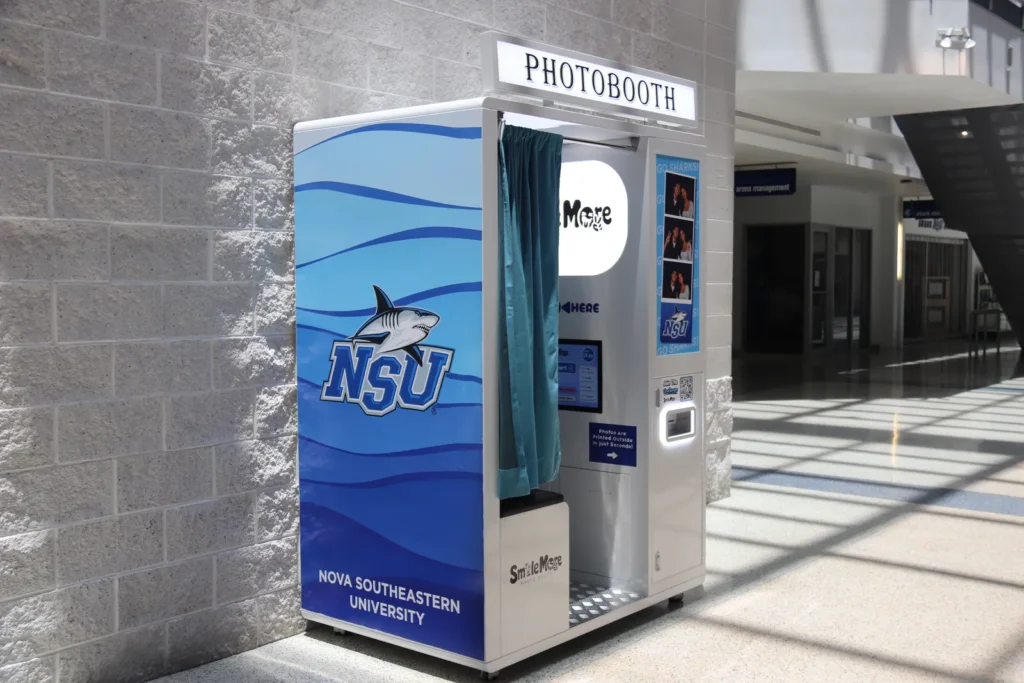
Here is what happens in one of our booths, the SmileMore Classic. A guest steps behind the curtain and pays by card or phone tap. The screen counts them through four poses while a Canon camera captures each frame and the flash fires. Software lays the four shots into a strip design (yours, if you host one, with your venue name printed on it). A DNP dye-sublimation printer then produces two physical strips in about 90 seconds, and the screen shows a QR code so the guest can grab the digital copy.
Dye-sublimation is worth a sentence. Instead of spraying ink, the printer uses heat to transfer dye from a ribbon onto the paper, which is why booth prints come out dry, smooth and ready to pocket. That speed is a big part of the experience, and at our first live booth at Nova Southeastern University, print speed was one of the two compliments guests gave most often. The other was camera quality.
The timeline here is not new. As Wikipedia’s photo booth entry notes, digital booths took off in the early 2000s once digital cameras, compact photo printers and flat screens became widely available, and processing that took several minutes in the old “wet chemistry” booths now typically takes about 30 seconds with digital technology.
Digital vs analog chemical booths
Analog booths are the romantic option, and we get the appeal. They expose real photographic paper and run it through developer and fixer inside the cabinet, and a few classic machines still operate around the world. The results have a look that people love.
For a working venue, though, the chemistry is the catch. Wet-process booths are slower to produce a strip, they depend on photo chemicals and supplies that someone has to handle, and there are far fewer of them (and far fewer people who can service them) than there used to be. A digital booth keeps the ritual (curtain, poses, flash, a strip in your hand) and drops the chemical handling. It also adds things an analog machine simply cannot do, like cashless payment and a digital copy guests can share that night.
If what you love is the old look, a digital booth can get surprisingly close. Our posts on the old school photo booth comeback and black and white photo booth strips cover how to keep the vintage feel with modern parts inside.
Thinking about owning one outright? Our photo booth for sale page explains what you get with a Classic and how to request pricing.
Digital walk-in booths vs iPad and selfie kiosks
This is the comparison that trips people up, because an iPad on a stand is technically a digital photo booth too. The difference is the box around it.
An open-air kiosk takes a picture and usually sends it to your phone. It is fine at a corporate mixer with an attendant nearby. An enclosed booth is a small room. The curtain closes, the group squeezes onto a bench, and for a minute nobody outside can see what faces they are pulling. That privacy is what makes people loosen up, and it is a big reason guests walk across a room to an enclosed booth on purpose. Add a real printed strip and you have something people carry out the door with your name on it.
- Open kiosk: digital file, open setting, often staffed at events, small footprint.
- Enclosed digital walk-in booth: curtain and bench, printed strips plus a digital copy, unattended, needs about a 5 x 5 ft corner.
We go deeper on that tradeoff in selfie booth vs photo booth.
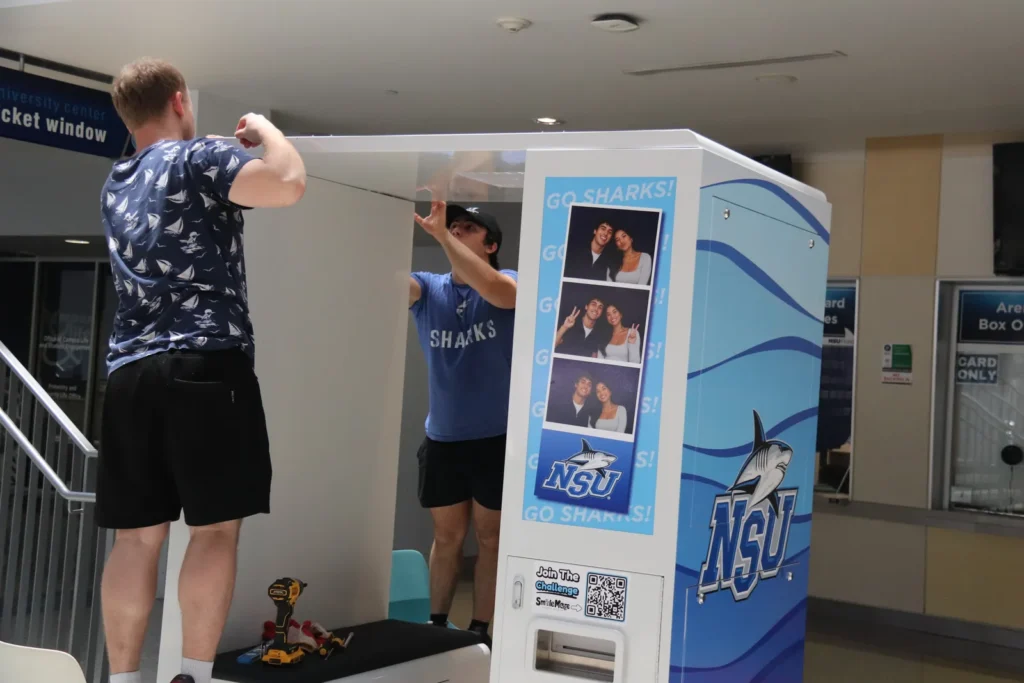
What a digital booth does for a venue once it is there
First and foremost it is an attraction. People notice the glow of the topper, wander over, and come back with the friends they actually want in the picture. Everything else follows from that.
Because the booth is digital, it runs itself. Guests pay at the booth, no one on your staff touches cash, and the machine can be watched remotely so problems get caught early. Because the strip is designed in software, it can carry your logo and your name. Because there is a QR code, the photo ends up on phones and social feeds, not just fridges. And because the cabinet can be wrapped, it can match your room instead of looking like rented equipment.
Our NSU booth also taught us something about how guests talk about a good digital booth: they call it simple, and they mean it as a compliment. Early on, a few people paused over what to press first, so we added clearer on-screen start guidance. That kind of fix is a software update, which is another quiet advantage of going digital.
Want a digital booth of your own?
Tell us where it is going and how you plan to use it, and we will put together pricing for a SmileMore Classic built for your space.
Buy one or host one?
There are two ways to get a digital booth into your venue. You can buy one, which makes sense if you want full control, plan to run it across several locations, or are building a booth business of your own. Our honest take on that decision is in is a photo booth a good investment, and if you would rather spread the cost, see photo booth financing.
Or you can host one for free. We install and insure the booth at no cost, cover paper and repairs, and pay you 10% to 25% of every session on the 1st of each month, under a 12-month agreement with a 90-day trial. If the first 90 days don’t convince you, we collect it at no charge. The details are on our free booth hosting page.
Digital booth questions we hear
Are the strips real prints or just a digital file?
Both. Each session prints two physical strips on a dye-sublimation printer, and the screen also offers a QR code for the digital copy.
Does a digital booth need someone standing next to it?
No. The screen guides guests through the session, payment happens at the booth by card or tap, and we monitor it remotely.
Can it still look vintage?
Yes. The Classic has a curtain, bench, flash and an illuminated topper, and finishes include white, brushed metal or a full wrap. Strip designs can lean as retro as you like.
How long does a session take?
Four poses, then about 90 seconds until two printed strips are in hand.
We will concede the purists one point: nothing digital smells like a darkroom. But if you want the curtain, the flash and the strip without chemicals, cash or a babysitter, a digital booth is the practical choice. Ask us for a quote if you want to own one, or see if your venue qualifies to host one free.