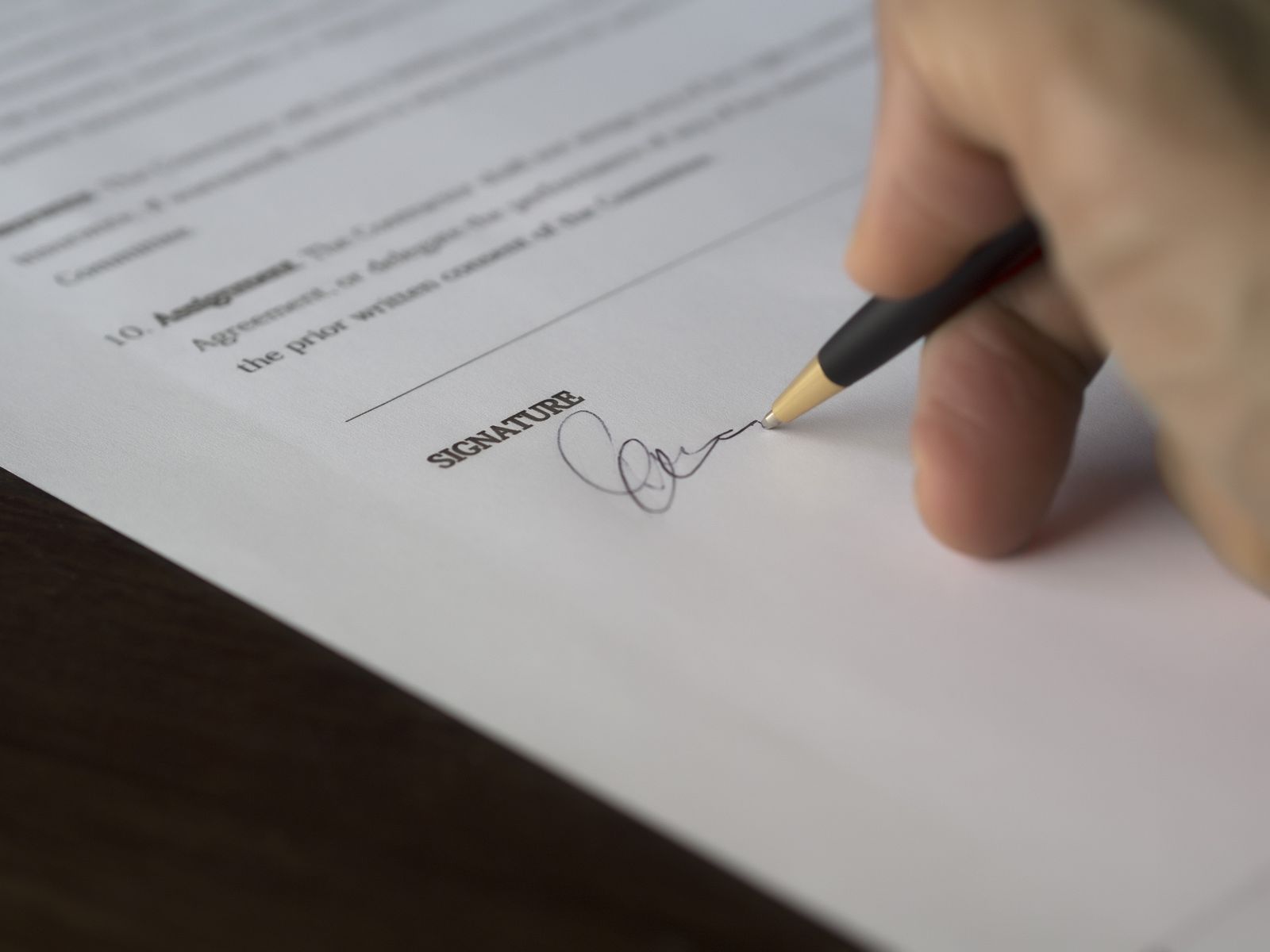
What should you actually check before you sign? Start with this: any vending machine contract Florida venues sign should answer six questions in plain English. How long does it last? How do you get it out? Who pays for what? How will you see the numbers? Who carries which risks? And which Florida rules apply? So if the agreement in front of you dodges even one, slow down.
This guide walks through each question and flags the clauses that should worry you. It also shows how a free photo booth placement should read. It’s practical advice from an operator, not legal advice, so have your attorney review anything before you sign.
Six questions a vending machine contract Florida owners sign must answer
Most placement agreements are short, though. That’s good, but short can also mean vague. So read every line against this list:
- Term. How long is the agreement, and does it then renew on its own?
- Removal. Can you have the machine moved or taken out, and how fast?
- Costs. Who pays for the machine, install, supplies, repairs and power?
- Reporting. What will you see each month, and how does the operator count revenue?
- Risk. Who covers the machine, and what should your own policy say, too?
- Florida rules. Which state law governs, and who handles the tax filings?
Nothing on that list is exotic. Still, plenty of venue owners sign agreements that answer only half of it, then discover the gaps a year later.
Term, renewal and getting out
Length matters less than the exit. In fact, a long term is fine if you can leave cleanly. Meanwhile, a short term can trap you if it renews automatically with a narrow cancellation window.
So look for three things. First, the start date and the length. Second, whether it auto-renews, and how much notice you must give to stop that. Third, what happens if your business moves, renovates or closes.
Then read the removal clause twice. Who physically removes the machine, and who pays for it? Also, does removal trigger a fee? A good agreement makes leaving boring.
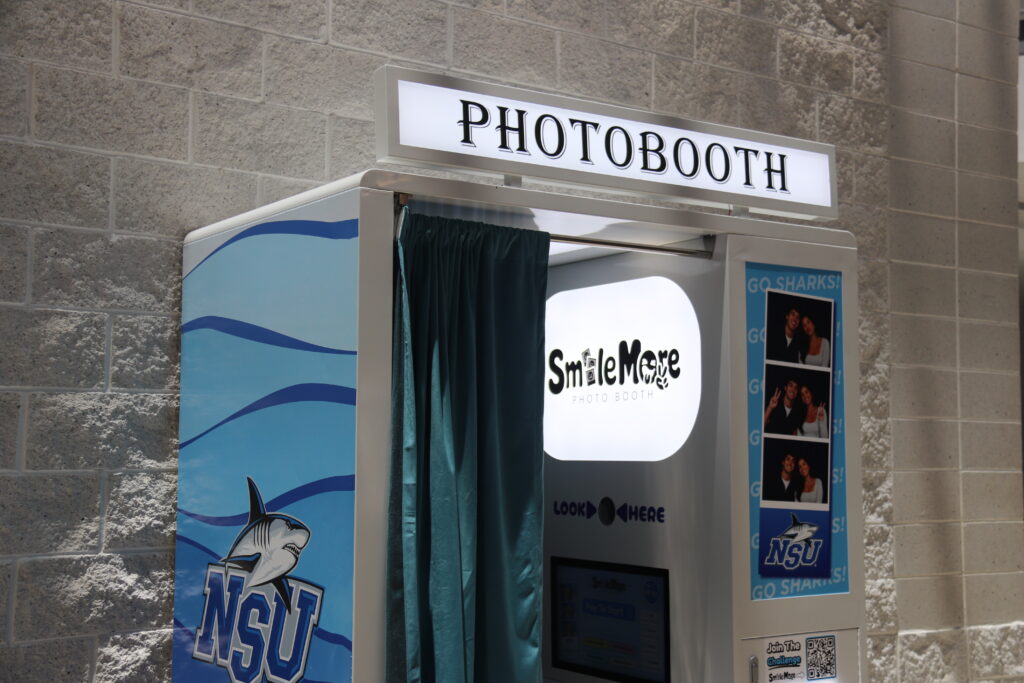
For context, here’s a real example from our own first placement. Before signing off on our booth for a lobby at Nova Southeastern University, the campus Environment, Health and Safety office attached a condition. If an inspection or a big gathering ever needs the floor clear, the booth has to go. Our crew handles that relocation; campus employees never push it. So it’s worth asking any operator for the same promise, in writing.
Curious what our program covers first? The venue partners page lays it out in about two minutes.
Who pays for what
Indeed, this is where “free” placements earn or lose your trust. A placement should cost you nothing. In practice, though, some agreements slip in service charges or paper fees. Others add a minimum you must cover if sales fall short.
Here’s what a clean split looks like for a guest-paid photo booth:
- The operator pays for the machine, the install and delivery.
- Paper and supplies get restocked by the operator, too.
- Repairs are the operator’s job, and so are guest refunds when something fails.
- Your venue provides the floor space and one standard outlet.
That’s exactly how our placements work: the venue spends nothing on setup, equipment, paper or service calls. Besides, the cabinet needs only a five-foot-square patch of floor and fits through any normal doorway, so install day doesn’t require a contractor.
Also, ask about refunds specifically. Every machine fails eventually, and a guest who lost money will walk straight to your bar to complain. Therefore, your contract should say clearly that guest refunds are the operator’s job, not your cashier’s, and it should say how fast they happen.
Reporting and payment
If you can’t see the numbers, you can’t trust the check. So the agreement should spell out how sessions are counted, how often you get a report, and when payment arrives.
For example, we track every session remotely. Then we send a sales report with a revenue share every month. Your share is set per venue during review, because traffic, hours and placement vary widely. That’s also why we never publish a single percentage. Whatever operator you choose, though, get the reporting schedule in writing.
Private events deserve a line, too. If someone books your room and wants the machine for their party, who sets that fee, and does the venue get a cut? Our agreements give the host a share of those bookings, and yours should spell it out either way. Our guide to how a photo booth revenue share works goes deeper on the money side.
Read our terms before you commit to anything
Tell us about your space and we’ll walk you through how our placement agreement handles every point on this page. No pressure, no fine-print surprises.
Insurance and liability questions to ask
We cover our machines. Even so, your venue has its own policy. Only your agent can say how it treats a third-party fixture on your floor.

So ask the operator who covers damage to the machine itself. Then ask your insurer whether your current policy needs any change for an amenity like this. Get both answers before you sign, rather than after something happens.
Florida rules that belong in the conversation
Of course, a contract is only as good as the law behind it. Many Florida agreements name Florida law and a Florida county for disputes, which keeps any problem local. So if an out-of-state operator names another state, ask why.
The local business tax receipt
Here’s the one many owners miss. Under Florida Statute 205.0537, responsibility for any required local business tax receipt on vending or amusement machines falls on the business premises where they stand. The amount depends on the highest number of machines sitting there on any one day. In other words, it can land on you, the host, unless your agreement assigns it clearly.
Sales tax registration
Meanwhile, Florida Statute 212.0515 covers sales tax on vending machine sales, including registration by county. Willful violations can even be a misdemeanor. That’s normally the operator’s responsibility, yet it’s worth confirming in writing. For the operator’s side in detail, see our guide to vending machine license Florida rules.
Red flags at a glance
So bring this table to the meeting. If a vending machine contract Florida operators hand you trips more than one row, push back before you sign.
| Clause | Red flag | Ask for instead |
|---|---|---|
| Term | Auto-renews with a tiny cancellation window | Clear end date and reasonable notice |
| Removal | Venue pays to remove or move the machine | Operator moves it at its own cost |
| Costs | Paper, service or “maintenance” fees billed to you | Operator covers supplies and repairs |
| Minimums | You owe money if sales fall short | No minimums for the host |
| Reporting | No report, or “available on request” | A sales report every month |
| Refunds | Silent on who refunds guests | Operator refunds guests directly |
| Tax receipts | No mention of the local business tax receipt | A clause naming who obtains it |
| Exclusivity | Bans you from any other machine, forever | Narrow scope, tied to the term |
Again, this is an operator’s checklist rather than legal advice. Have a Florida attorney read the final document.
Frequently asked questions
Should a lawyer review a vending placement agreement?
Yes, and it’s usually quick, since a short agreement takes little attorney time. Besides, that review costs far less than a bad term. Also bring this checklist so the review stays focused.
Who gets the local business tax receipt for a machine in my venue?
The statute puts that duty on the premises, meaning the venue that hosts the machine. So unless your agreement says otherwise, assume it’s on you. Ask the operator to put responsibility in writing.
Can I ask for the machine to be moved without ending the deal?
You should be able to. A fair agreement treats moving the machine as routine, since remodels, events and inspections happen. With our booths, a quick message gets our team out to reposition it.
What should a monthly sales report include?
First, it should show the number of sessions and the revenue they produced for the month. It should also show how your share was calculated. If a report can’t explain your check, ask for one that can.
Here’s a dare. Take that red flags table and hold every agreement you’ve been offered against it, ours included. Then bring us your toughest questions. Better yet, send us your space and see how short a fair contract can be.